Navigating Sex and Intimacy After Starting HRT
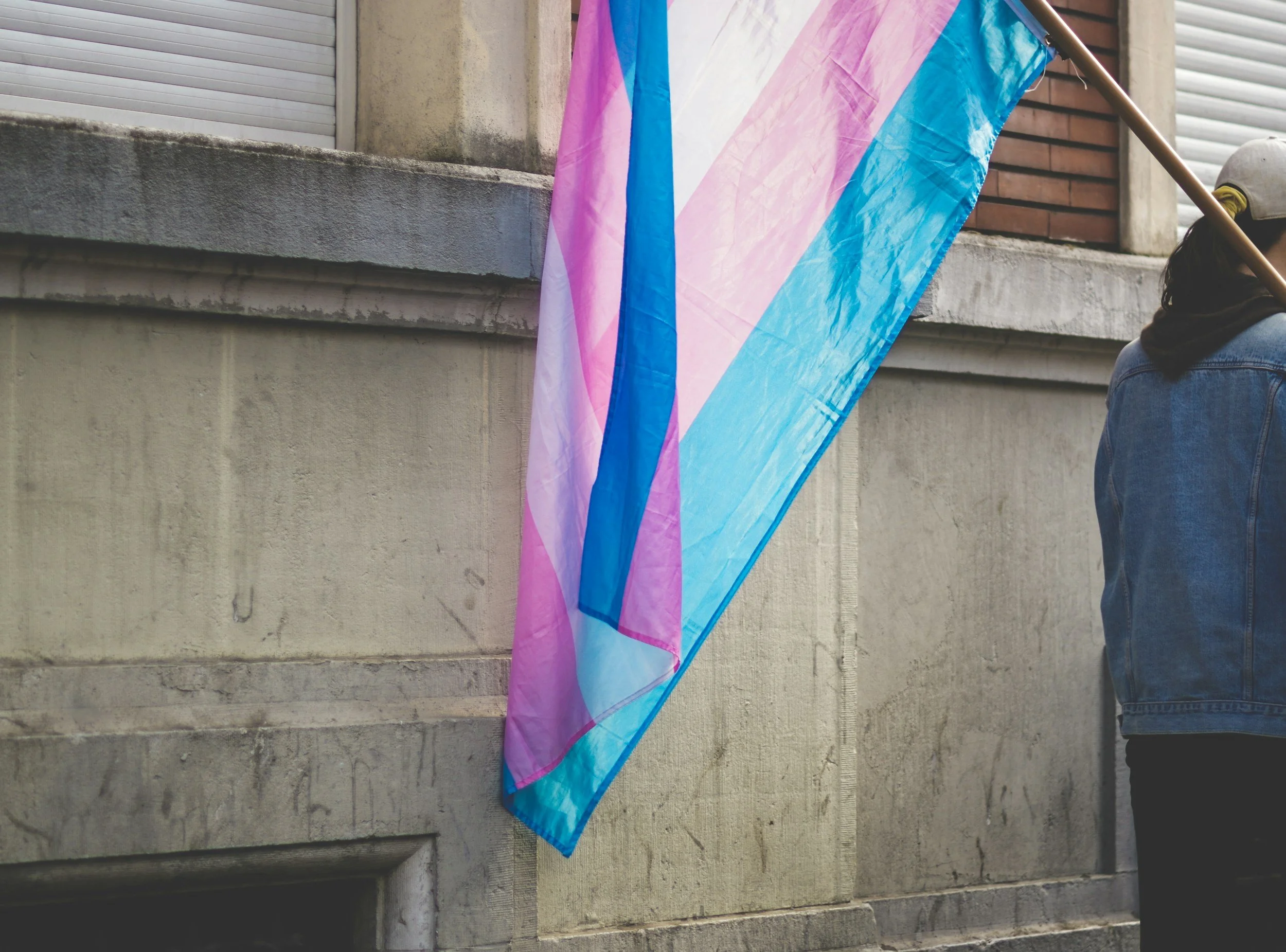
Starting gender-affirming hormone therapy, also referred to as HRT, can be a really exciting step in your journey as a transgender, non-binary, or gender expansive person! It can also bring about a lot of changes impacting many areas of your life, including sex and intimacy. Some people notice changes in libido or shifts in desire. This can bring up a lot of confusion and big feelings!
Quick Note: Many people may experience physical or physiological changes to their body, libido, or sexual functioning after starting HRT. This post will focus on the emotional and relationship aspects of these changes. Please check with your doctor for any questions about physical or physiological changes from HRT.

As you navigate emotional aspects of this change, maintain a sense of curiosity and compassion for yourself. Your body is going through an adjustment (sometimes people view these changes as a second puberty) and it’s common for sexual activity and sexual desire to feel different.
Allow Space for Grief
You may notice yourself feeling sadness or nostalgia about some of the changes you experience on HRT. It is totally okay for feelings of grief to exist alongside joy and euphoria. You can be happy and grateful to be on HRT while also missing some of the ways your body used to respond. Giving yourself permission to acknowledge this grief can help make this process easier to navigate.
Get to Know Yourself and Your Body
After starting HRT, you may notice a lot of changes in terms of what feels good to you, what does not feel good to you, and what you are interested in trying. You can view this as an ongoing process of exploration and curiosity. Using mindfulness or non-goal oriented physical touch can help you explore what feels good to you and what brings up feelings of discomfort. Take time to notice where you like to be touched, where you do not like to be touch, and how you like to receive touch.

You may also find yourself feeling confused if your body continues to feel tense or disconnected during sexual activity. Your brain has spent years living in a body that felt uncomfortable. Trans people often learn to cope with these feelings of discomfort by disconnecting from your body (also referred to as dissociation). It may take time, and intentional effort, to learn to be more connected with your body. One helpful step is to take note of what triggers your dissociation. It can be helpful to work on ways of remaining grounded and connected with your body during less intense moments, and then build up to situations where it’s currently harder to stay grounded. If it’s hard to stay grounded during sexual activity, you may start with working on staying grounded during non-sexual physical contact (such as hand holding or cuddling).
Dysphoria Might Feel Better. And Sometimes You May Also Notice Heightened Dysphoria.
For many people, HRT brings changes that help to lessen feelings of dysphoria. You may notice yourself feeling more at home in your body. This can help you feel more present with yourself or with your partner(s). Activities and forms of touch that previously felt uncomfortable may now feel more comfortable. Sensations may feel different and you may feel more comfortable with how you are perceived.
It is also common for people to experience heightened gender dysphoria when engaging in sexual activity after starting HRT. You may initially feel excited to explore your sexuality now that you feel more at home in your body but then notice yourself being more aware of the parts of your body that feel incongruent with your identity. It can help to find ways to make sexual experiences affirming for you. This may be done by using language that feels affirming, prioritizing forms of intimacy that feel affirming, or having boundaries about how or where you want to be touched.

Communicate With Your Partner(s)
Your partner(s) can be a valuable source of support as you start HRT and adjust to any sexual changes. Tell your partner what feels good, what does not feel good, and what you are curious about trying. If starting HRT brings up new feelings of discomfort or dysphoria, try sharing these feelings with your partner instead of ignoring them or pushing through them.
Helpful phrasing might include:
I’m noticing I feel disconnected when we do X, can we do Y instead?
I’d love if you could use this word instead of that one.
I want to try this new activity and see how it feels for my body. Can we check in about it during and afterwards?
If you notice it is difficult to communicate with your partner about sex and intimacy after starting HRT, couples therapy can give you a space to talk about these changes while receiving support from a knowledgeable professional.
Sex and intimacy after starting HRT can bring up big and confusing feelings, which may be hard to navigate on your own.
Andy Price offers therapy in Sacramento and online across California to help transgender, non-binary, and gender expansive people explore their feelings about sex and intimacy after starting HRT. Visit this page to schedule your first session.
