When Your Body Slams on the Brakes: How the Dual Control Model Helps Explain Low Sexual Desire
When people find themselves struggling with low sexual desire, the first response can be to “spice things up,” experiment with new experiences, or learn new communications skills. All these can be helpful steps, and you likely notice some benefit from exploring new experiences or improving your communication. However, you may be continuing to struggle with low sexual desire, no matter how many romantic evenings you plan.
Many times low sexual desire can bring on feelings of shame. You may be feeling like something is wrong with you, that you’re a disappointment, or that you just can’t have the sexual experiences you would like to be able to have. If you and your partner seem to have different levels of sexual desire, this can become a significant source of conflict. If you’re experiencing low sexual desire, there is nothing wrong with you. Your brain is trying to protect you, even if that protection feels misguided.
What is the Dual Control Model?
The dual control model, developed by Erick Jansen and John Bancroft at the Kinsey Institute, suggests that sexual arousal is shaped by two different brain processes.
The Sexual Excitation System: When this system takes in cues from the environment (such as sights and smells) that it deems sexually appealing, it sends signals to the body to “turn on” and pursue sexual desire.
The Sexual Inhibition System: When this system takes in cues from the environment that it associates with threats or other reasons to avoid arousal, it “turns off” the process of sexual arousal
Sex researcher Emily Nagoski popularized an easy way to understand how this works:
The Sexual Excitation System functions as the accelerator, telling your body,“yes, let’s go, let’s move towards this.”
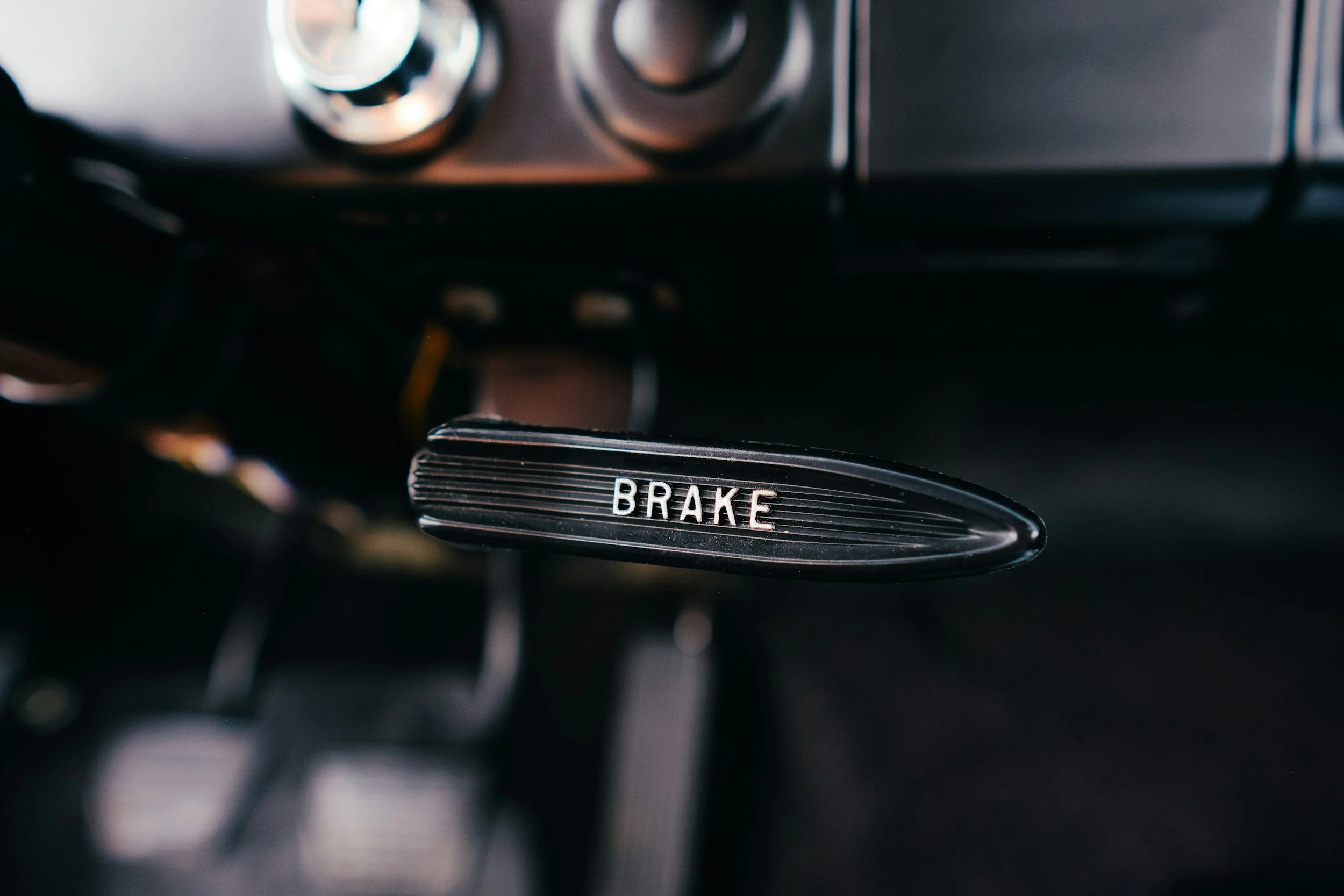
The Sexual Inhibition System functions like the brakes, telling your body, “wait, stop, this is not the time”
What this means is that sexual arousal and desire isn’t just about the accelerator (the things that get you excited). It’s also about the brakes. We often spend a lot of energy trying to add more turn-ons: a fancy dinner, scented candles, a new outfit. But sometimes what’s actually needed is to figure out what’s pressing on the brakes.
The Role of the Nervous System
So much of this process happens without constant thought! This process is an automatic, immediate response designed to help keep you safe and responsive to the appropriate context . This can be why you may find yourself feeling turned off or noticing an absence of sexual desire, even if you find yourself wanting things to be different. The following steps provide a simple overview of how this process works.

Your nervous system is constantly taking in sensory information from your environment. This may include sounds, scents, the sensation of your partner’s hand touching your back.
2. This sensory information is sent from your peripheral nervous system to the brain.
3. The thalamus and hypothalamus (structures at the base of the brain) process the stimuli and coordinate an autonomic response.

4. The amygdala pairs the stimuli with an emotional meaning.
The emotional meaning assigned by the amygdala is largely informed by prior experiences, such as experiences that inform whether the stimuli is recognized as a threat or a cue of safety.
The amygdala can function like the brain’s alarm system. If the amygdala perceives the sensory input or sexual stimuli as a threat, the amygdala sounds the alarm to say “DANGER!” and the sexual response cycle can be inhibited
Finally, the prefrontal cortex, the part of the brain that manages judgment and decision-making evaluates the situation. This part of the brain seeks to determine whether sexual arousal is the proper response to the situation. This is the part of the process that happens with most conscious awareness. During this stage you might notice have thoughts like, “I’m just too stressed right now.”
At any step in this process, your brakes may step in, telling your body that this is just not the moment to be sexually excited.
The Impact of Trauma and Shame
Past experiences of trauma can play a role in your brain slamming on the brakes. Trauma-related triggers are often processed by the brain as potential threats. The nervous system takes in input from sight, sounds, smells, touch, taste, or environmental context, and it can prompt inhibition responses from cues that feel unsafe, such as reminders of past trauma. This could even include sounds or certain forms of touch that the brain’s alarm system has learned to associate with potential danger. Your brain is trying to keep you safe, but sometimes it overreacts, sounding the “danger!” alarm and inhibiting your sexual response in situations that you think “should” be perceived as safe.
This “Danger! Hit the brakes!” response can show up as panicking, shutting down, freezing, or disassociating. The dual control model can help explain why even if you logically think a situation should feel safe and exciting, your brain and nervous system may continue to respond based on past experiences. Even when you’ve done a lot of work to heal from your past trauma experiences, it’s common for these experiences of trauma to have a continued impact on your sexual functioning.
Queer and trans people have often internalized messages that expressions of queer sexuality or gender identity is wrong or shameful. Past versions of you may have received messages that there is something “wrong” or shameful about your sexual expression. For trans people, experiences of sex may feel vulnerable or prompt feelings of dysphoria about your body. All of these feelings can lead to your brain pumping on the brakes, producing an autonomic response that says “stop, don’t do this.” Being able to confidently and authentically enjoy sexual experiences as a queer or trans person can require re-wiring this brain response to help tell your nervous system that pumping on the brakes is not necessary.

Softening the Brakes: Creating Safety and Acceptance
Are you tired of your brain slamming on the brakes and impacting your sex life? Because so much of this process is an automatic response to environment context, changing how to brain responds to cues and triggers requires create a felt sense of safety and acceptance.
A good starting point can be to consider the following questions:
What triggers your brakes?
Are there specific environmental or sensory cues that trigger your sexual inhibition response?
Notice the context: The next time you feel a lack of interest in sex, what is present right now that might be a brake?
What stressors are impacting your interest in sex? Does your interest in sex change when work is stressful or you’ve had a recent fight with your partner?
What causes you to feel vulnerable or dysphoric?
What are specific triggers that your brain is perceiving as a threat, even if these triggers don’t seem threatening? This can help show you cues and stimuli that you may want to train your brain to re-associated with safety.
What presses your accelerator?
What helps you feel safe and relaxed?
When do you feel most connected to your partner?
What environmental cues help tell your brain, “this is a good time to be turned on”?
When do you feel most confident about my sexuality and gender expression?
Mindfulness and Reconnection
Once you’ve identified what triggers your brakes, you can work to either reduce these stressors, take steps to feel more comfortable in your body, or help your nervous system recognize signs of safety.
Mindfulness (being aware of the present moment) can be a great place to start. Pausing, checking in with your nervous system, and reminding yourself of present-moment cues of safety can help reorient your nervous system.
Working to deepen your emotional connection and engaging in non-sexual physical contact with your partner can help remind your nervous system that your partner is a safe person.
Tired of struggling with low sexual desire?
If you're struggling with low sexual desire or the continued impact of trauma and shame on your sexual experiences, therapy in Sacramento or online in California can help create new experiences of safety and connection. Click here to get started.
Janssen, E. & Bancroft, J. (2007). The dual control model: The role of sexual inhibition and excitation in sexual arousal and behavior. In Jannsen, E. (Ed.), The psychophysiology of sex. Indiana University Press.
Nagoski, E. (2021) Come as you are: The surprising new science that will transform your sex life. Simon & Schuster.
